
What is the pattern library skill?
Pattern library is a skill in the Owl-Listener designer-skills repository. It helps an AI agent document a recurring design solution as a structured entry: problem statement, solution, anatomy, variants, behaviour, examples, accessibility and related patterns. For one component's API, the repo points to component-spec.
It is a short, focused skill in the design-systems plugin of the Designer Skills Pack. Its job is to turn a recurring UX problem into a reusable pattern entry, so design knowledge is written down in one consistent format.
The skill description separates it from a component: use it when documenting a recurring solution, and use the component-spec skill when you need a single component's API. The skill file is brief, so expect structure rather than depth.
The structure of an entry
- Problem statement: the need and the contexts it appears in.
- Solution: the pattern, its key principles and a visual or interaction description.
- Anatomy: components, layout, and which elements are required or optional.
- Variants: context-specific versions and responsive adaptations.
- Behavior: user flow, state changes and error handling.
- Examples: good implementations and anti-patterns, with reasons.
- Accessibility and related patterns.
Who the pattern library skill is for
Best for
- Design system teams recording patterns such as navigation, input, display, feedback and onboarding.
- Designers who want an agent to draft entries in a fixed template.
- Teams building a knowledge graph of patterns that link to each other.
Not for
- Documenting one component's props and states.
- Generating code. It writes documentation, not implementation.
- Finding patterns for you. You supply the problem and examples.
Use it with UiChemy
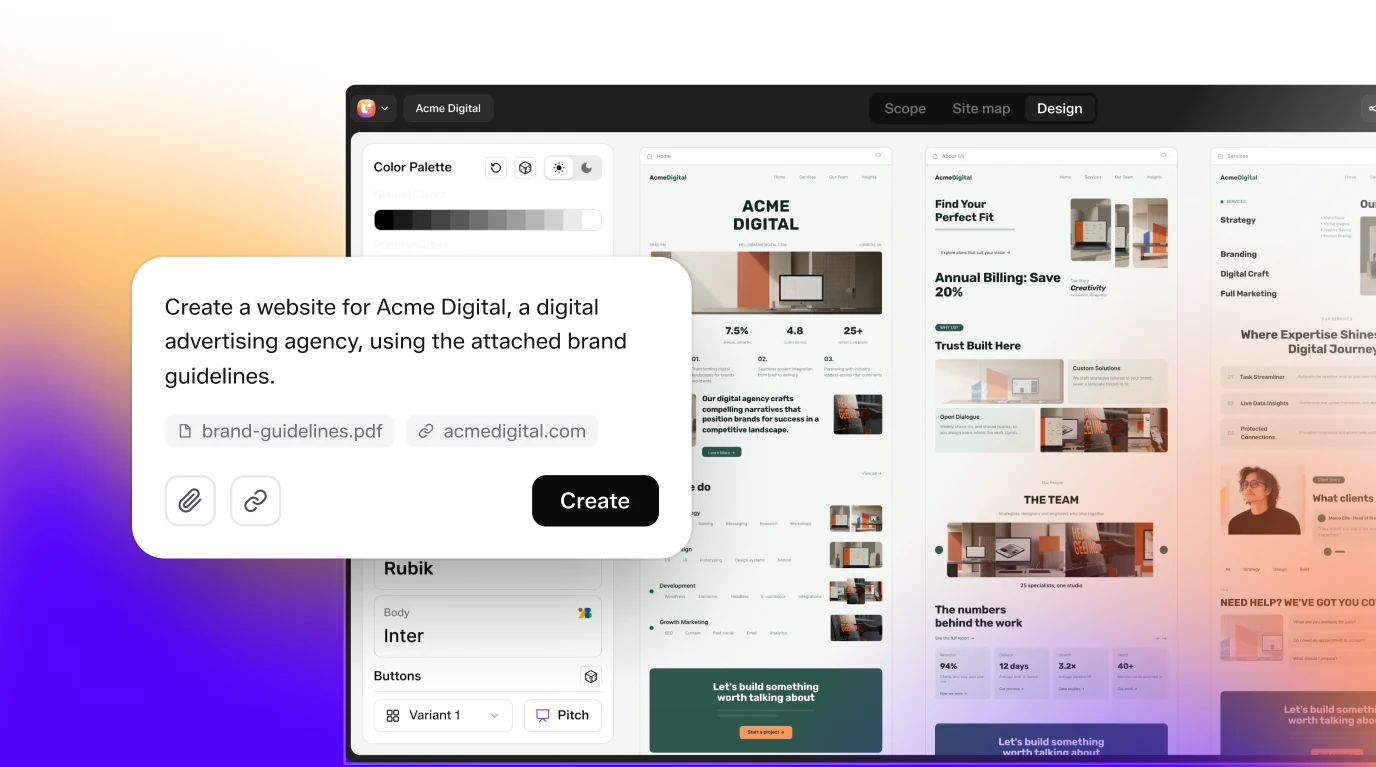
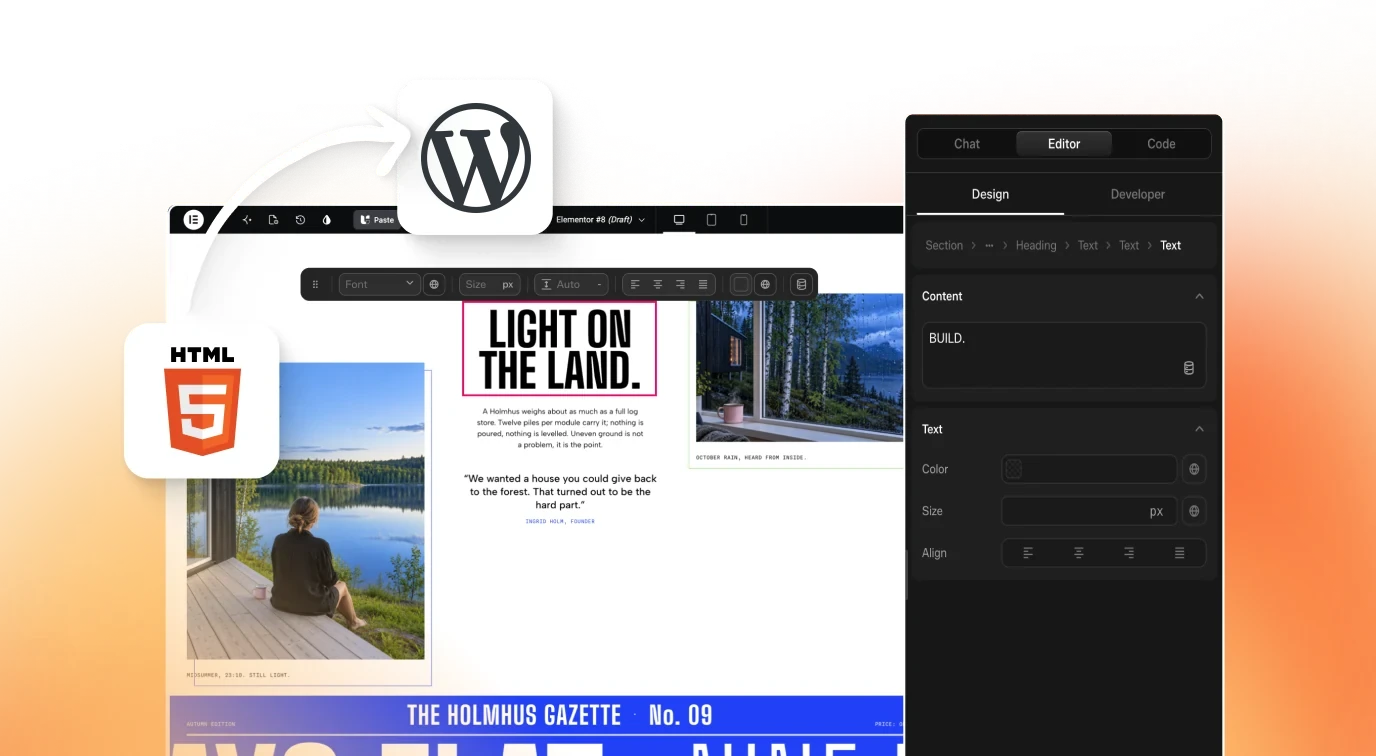
A pattern entry describes a solution; building it on WordPress is a separate step. UiChemy Figma to WordPress converts designs into editable pages. Click Get Started on uichemy.com.
How to install Pattern Library Skill: Document Reusable UI Patterns
/plugin marketplace add Owl-Listener/designer-skillsAdd the marketplace
Run the command above in Claude Code. The README says this only registers where the skills live.
Install design-systems
Run
/plugin install design-systems@designer-skills, or tick it in the /plugin Discover tab.Gemini CLI route
The README also describes cloning the repo and copying
.gemini/extensionsinto your project.Ask for an entry
Describe the problem and a few examples, then ask for a pattern library entry.
Check that it loaded
Ask for a pattern entry for empty states. The reply should have the eight headings, starting with the problem statement.
Key features
- Problem first, solution secondThe best practices tell the agent to open every entry with the problem and context before describing the pattern.
- Eight-part entry templateProblem, solution, anatomy, variants, behavior, examples, accessibility and related patterns give each entry the same shape.
- Anatomy with required and optional partsLists the components and layout, and marks which elements are required and which are optional.
- Variants and responsive notesCaptures context-specific implementations and how the pattern adapts across screen sizes.
- Behavior sectionCovers the user flow, state changes and error handling, not only the static look.
- Good and bad examplesAsks for real implementations and anti-patterns, each with an explanation.
- Accessibility considerationsRecords inclusive design notes and assistive technology support for each pattern.
- Related patternsLinks similar patterns, patterns often combined and patterns this one builds upon.
- Five starting categoriesNavigation, input, display, feedback and onboarding give a first structure for the library.
- Keep entries currentAdvises updating entries as research reveals new insights.
Frequently asked questions
What is the pattern library skill?
It is a skill in Owl-Listener/designer-skills, inside the design-systems plugin. It structures a pattern entry with a problem statement, solution, anatomy, variants, behavior, examples, accessibility and related patterns, so recurring design solutions are documented consistently.
How do I install the pattern library skill?
In Claude Code, run /plugin marketplace add Owl-Listener/designer-skills, then /plugin install design-systems@designer-skills. You can also pick it in the /plugin Discover tab. The README also gives a Gemini CLI route that copies the .gemini/extensions folder.
What is the difference between a pattern and a component?
The skill description says to use it for a recurring solution rather than a component. A component spec records one component's API, such as Component Spec does. A pattern describes a repeatable answer to a problem and may combine several components.
Which categories does the skill suggest?
It names navigation, input, display, feedback and onboarding as starting categories. You can add your own. Each entry should also list related patterns, so the library works as a connected set instead of a flat list.
Does the pattern library skill generate code?
No. It writes documentation entries. For naming and organising token values that patterns rely on, see Design Token. For theming, Theming Components covers tokens and themes in a build context.
Does it work in Cursor or Codex?
The README says the pack is for Claude Code and Gemini CLI. It does not state support for Cursor or Codex. The skill is plain markdown instructions, but the install routes documented are the two named agents.
What are pattern library skill alternatives?
You can write entries by hand in a wiki or use Design System Patterns, which covers tokens and theming. The pattern library skill is narrower: it enforces one entry structure and asks for anti-patterns and related links.
Is the pattern library skill enough on its own?
The skill file is short, a template and a few best practices. It works best inside a design systems workflow with the plugin's other skills, such as accessibility audit and naming convention, which sit in the same design-systems folder.