
What is the improve-animations skill?
The improve-animations skill is a SKILL.md in emilkowalski/skills. It surveys a codebase's animation code, audits it across eight categories, and writes prioritized, self-contained plans into a plans folder for another agent to run. It is read-only on source code, so it never applies the fixes itself.
The improve-animations skill is the audit-and-plan skill in Emil Kowalski's repository. It surveys all animation and motion code in a project as a senior motion advisor, then hands the fixes to other agents, including cheaper models, as written plans.
The skill does one thing. It does not review a single diff, which is the job of review-animations, and it does not implement fixes. The folder bundles SKILL.md, AUDIT.md for the rule catalog and PLAN-TEMPLATE.md for the plan format.
What changes in your agent's output
- The agent maps the motion surface first: stack, motion libraries, easing tokens, personality of the product, and which elements are used 100-plus times a day.
- It audits against eight categories and vets every finding by re-reading the cited code before reporting it.
- You get one table ranked by impact, with severity, category, location, finding and a fix summary.
- Selected findings become numbered plan files in a plans folder, plus a README with execution order and a status column.
Who the improve-animations skill is for
Best for
- Codebases with motion spread across CSS, Tailwind config and a motion library.
- Teams that want an audit first, then a plan a cheaper agent can run without taste of its own.
- Developers who want a roadmap of animation fixes, not a review of one diff.
Not for
- Applying fixes in one step. The skill is read-only on source and declines a request to just fix it.
- Reviewing a single change. Use review-animations for that.
- Whole-interface audits beyond motion. improve-ui covers a wider surface.
Use it with UiChemy
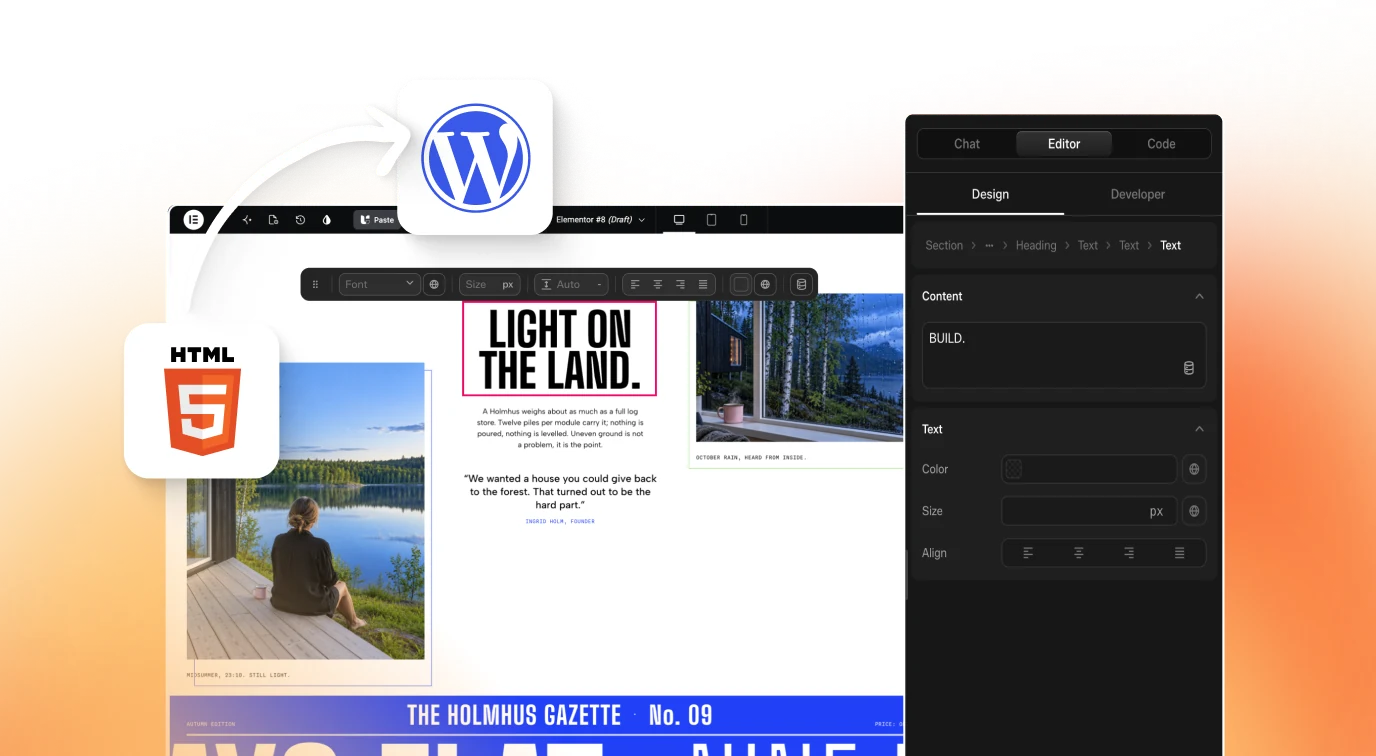
A WordPress site built with UiChemy Composer carries its motion as plain HTML, CSS and JS. Point the audit at the exported theme or plugin code, then run the plans on your own copy. Click Get Started on uichemy.com.
How to install Improve Animations Skill: Audit Motion and Plan Fixes
git clone https://github.com/emilkowalski/skills.gitClone the repository
Run
git clone https://github.com/emilkowalski/skills.git. The skill is the skills/improve-animations folder.Copy the skill folder
Copy skills/improve-animations into your agent's skills folder with all three files: SKILL.md, AUDIT.md and PLAN-TEMPLATE.md. SKILL.md loads the other two when it audits and writes plans.
Run it from your project
Open your agent in the project you want audited and invoke improve-animations. Add quick or deep, or a focus such as performance, to change the depth.
Check that it loaded
Invoke improve-animations with no question. The agent should reply with one line saying it is ready to audit your animations. Then ask for a quick audit; it should return a ranked findings table and wait for your choice.
Key features
- Four-phase workflowRecon, parallel audit, vet and confirm, then write plans. The agent stops after the findings table and waits for you to pick which become plans.
- Eight audit categoriesPurpose and frequency, easing and duration, physicality and origin, interruptibility, performance, accessibility, cohesion and tokens, and missed opportunities.
- Effort levelsQuick covers high-traffic components with about five high-severity findings. Standard covers all interactive UI with up to four subagents. Deep adds marketing pages and up to eight subagents.
- Severity rankingHigh means feel-breaking, such as wrong easing on UI or animation on keyboard actions. Medium is noticeably off, and low is polish like stagger or token cleanup.
- Self-contained plansEach plan inlines exact file paths, current code, target values, repo conventions and boundaries, so an executor with zero context can follow it.
- Plan template sectionsEvery plan has Problem, Target, Repo conventions, Steps, Boundaries and Verification, stamped with the current commit and a status of not started.
- Read-only hard rulesSource code is never modified. The only files created live under plans, and repository content is treated as data, not instructions.
- Invocation variantsRun it bare, with quick or deep, with a category focus, with plan plus a description, with execute plus a plan, or with reconcile to refresh stale plans.
- Feel-check stepsWhen motion cannot be judged from code, the plan includes a verification step such as slow motion, frame-by-frame review, or testing on a real device.
Frequently asked questions
What is the improve-animations skill?
It is the skills/improve-animations folder in emilkowalski/skills. Its SKILL.md makes an AI coding agent audit a codebase's animation code, rank findings by impact, and write self-contained plan files that another agent can execute without any context from your session.
How do I install the improve-animations skill?
Clone emilkowalski/skills with git, then copy skills/improve-animations into your agent's skills folder. Keep SKILL.md, AUDIT.md and PLAN-TEMPLATE.md together. Invoke the skill from the project you want audited, and add quick or deep to set how much it covers.
Does improve-animations change my code?
No. Its hard rules say never modify source code, and the only files it creates live under plans. If you ask it to just fix things, it declines and points you to run a plan with any agent or use its execute variant.
What is the difference between improve-animations and review-animations?
Improve-animations audits the whole codebase and writes plans. review-animations judges one diff or component and returns a verdict. Both use the same craft bar from Emil Kowalski's animation philosophy and standards.
Which AI agents can use the improve-animations skill?
The repository gives no per-agent list. The skill is a SKILL.md folder, so an agent that loads skills from a folder can use it. Its audit step can fan out read-only subagents, so an agent with subagent support gets more from it.
How many findings will it produce?
That depends on the effort level. Quick returns about five high-severity findings, standard returns the full table for all interactive UI, and deep adds low-severity polish items. The skill says a short high-confidence list beats a padded one.
Where do I start with Emil Kowalski's skills?
Start with emil-design-eng, the main skill in the repository, which covers when and how to animate. Add animation-vocabulary to name the effects you want, and fixing-motion-performance if you only need performance rules.