
How to Tag The Everset Form Widget for Figma to Elementor?

Key Takeaways

  • UiChemy allows tagging of elements as an Everest Form widget from The Plus Addons for Elementor.
  • Exporting a design with tagged elements uses the Everest Form widget after conversion.
  • Users must ensure Everest Forms and The Plus Addons for Elementor plugins are installed and activated for the form to function.

Table of Contents

If you are using a form in your Figma design then you can tag those elements as an Everest Form widget from The Plus Addons for Elementor using the UiChemy plugin.

So when you export the design as an Elementor template, that section will use the Everest Form widget.

What Can be Tagged?

A frame can be tagged as a Everest Form widget.

Note: This is a tagging only widget, it will help you create an unformatted widget after conversion so that you can style/design it as per your needs after conversion & benefit from the interactivity/features the widget provides.

How to Tag?

Select the top level frame of your layout then select the Optimize & Convert option and click the Optimize & Convert button.

Now select the text in your design and click on the Widget Tags tab in the UiChemy panel.

Then search for everest form and click on the Everest Form widget from The Plus Addons for Elementor.

On the next screen, you’ll get the information of which element you are tagging as what widget.

For this widget, you won’t see any tagging options.

  1. Just click on the Save button to complete the tagging.

Now if you export the design, that element will use the Everest Form widget from The Plus Addons for Elementor.
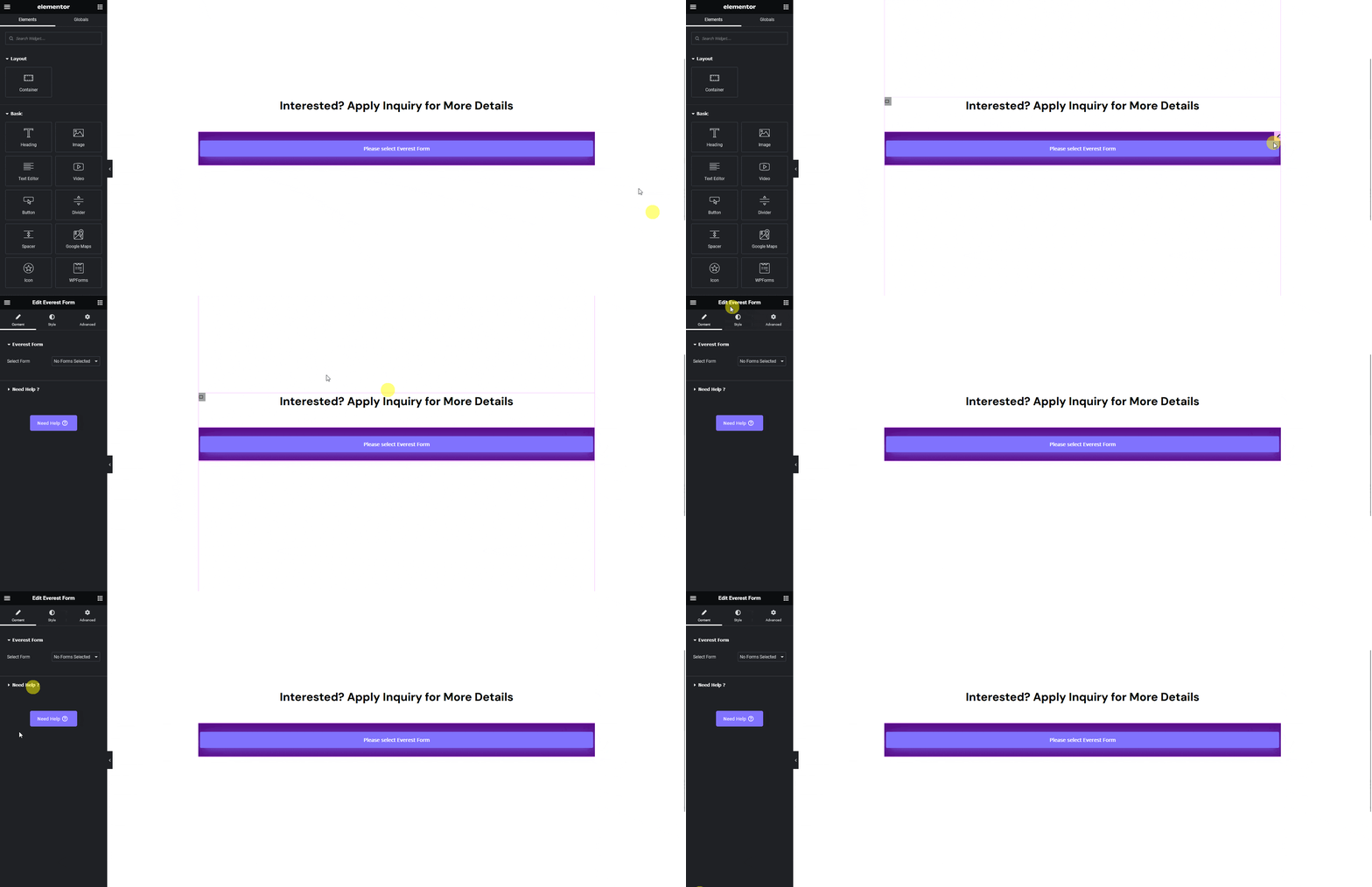
exported template with tp everest form

Note: Make sure the Everest Forms and The Plus Addons for Elementor plugin are installed and activated and the widget is activated as well to make the form work. You might have to make some minor adjustments in the widget settings to match the design, especially those elements that are not tagged. 

About the Author

Photo of Sagar Patel CEO of UiChemy
CEO · UiChemy · 11 years experience

Sagar is the Founder & CEO of POSIMYTH Innovations, with 10+ years building WordPress products trusted by 100,000+ websites globally. He has led the development of The Plus Addons for Elementor, Nexter, WDesignKit, and UiChemy, all built hands-on from concept to launch. His work focuses on making website building faster, more flexible, and accessible for creators and businesses worldwide.

WordPressFigmaUI DesignWeb DesignElementorBricksAutomationClaudeAI

Related Frequently Asked Questions


What should I do if the Everest Form widget doesn't appear after exporting my Figma design?

If the Everest Form widget doesn't show up after export, ensure that both the Everest Forms and The Plus Addons for Elementor plugins are installed and activated. Without these plugins, the widget won't function as intended. Additionally, check that the widget is activated in your Elementor settings, as this can also prevent it from appearing.

What is the best practice for tagging the Everest Form widget in Figma?

The best practice for tagging the Everest Form widget is to select the top-level frame of your layout before using the Optimize & Convert option in the UiChemy panel. This ensures that the correct elements are tagged and exported as intended. Always double-check that the Everest Forms and The Plus Addons for Elementor plugins are active to avoid issues during export.

Does the UiChemy Figma Plugin support tagging for other widgets besides the Everest Form?

The UiChemy Figma Plugin does support tagging for various widgets, but the Everest Form is specifically mentioned in the context of this tutorial. Other widgets may have different tagging processes or requirements, so it's important to refer to the specific guidelines for each widget you intend to use.

What if I need to customize the Everest Form widget after tagging it?

After tagging the Everest Form widget, you can fully customize it within Elementor. The tagging process creates an unformatted widget, allowing you to style it according to your design needs. This flexibility is beneficial for ensuring that the final output aligns with your original Figma design.

Last reviewed: April 14, 2026