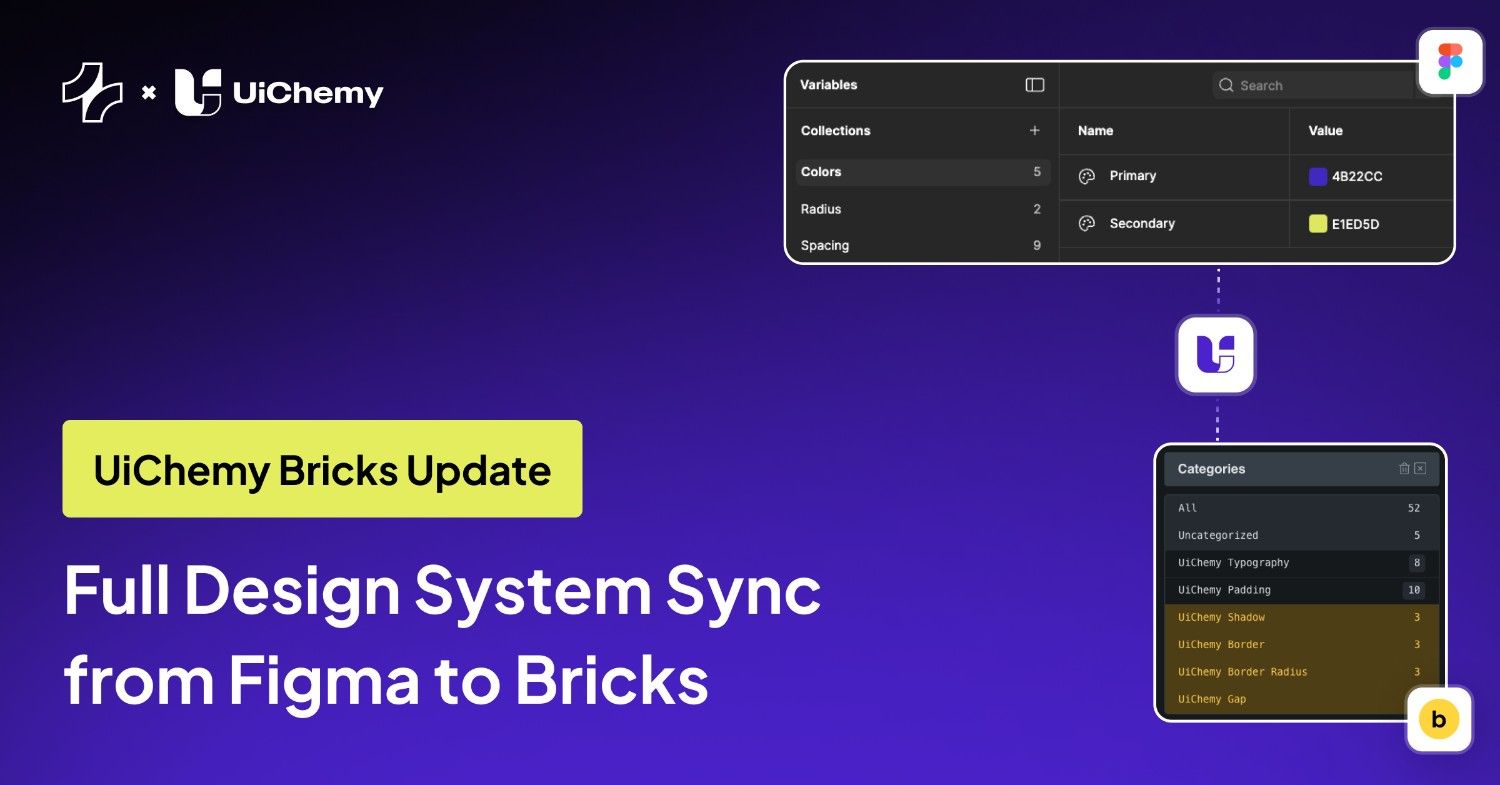



This month, we focused on making AI-generated designs actually usable for real WordPress projects, not just good-looking files.
Stitch AI Optimizer (Google Stitch × UiChemy)
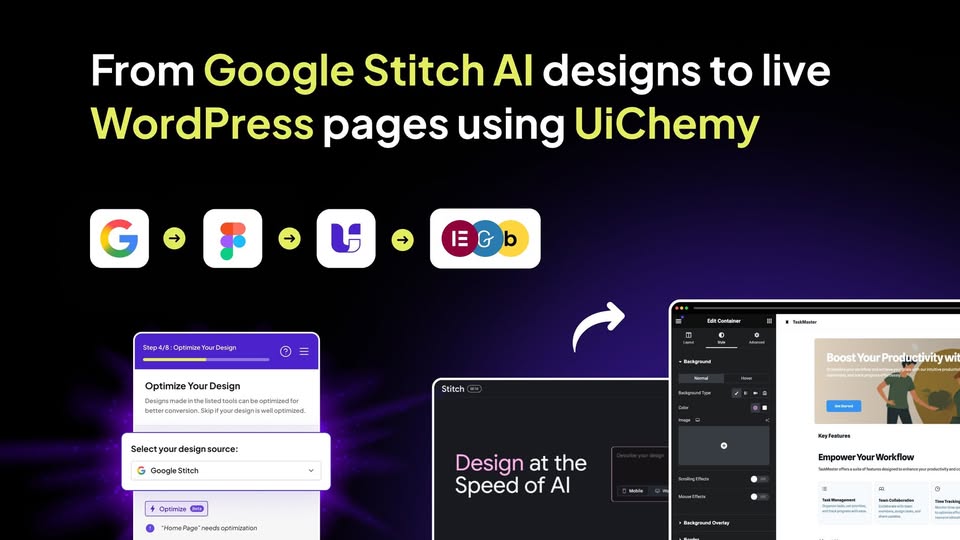
Google Stitch changed how designs are generated with AI, and UiChemy now makes those designs practical to build with. We’ve added a Google Stitch Optimizer inside the Convert to Auto Layout flow.
It automatically:
- Removes unnecessary frames
- Converts layouts into proper Auto Layout
- Prepares a clean 960px box-width structure ready for Elementor and Bricks
Once optimized, your work is simple:
- Check alignment
- Update content or images if needed
- Export directly to WordPress
From Google AI design to a live WordPress page, faster, cleaner, and built for real projects.
We’ve also rolled out security enhancements behind the scenes to keep things more stable and reliable as you work.
For all the changes, Check out the complete changelog here.
📈 — What’s Next at UiChemy?
We’re already working on the next set of improvements to make design conversion even smoother and more future-ready.
- Figma Make Optimizer (Alpha Coming Soon)
We’re actively working on support for Figma Make. An early alpha version is on the way, with around 60–70% design conversion accuracy to start. As Figma Make continues to improve its output, we’ll keep refining UiChemy alongside it for better results over time. - Expanded Global Styles for Bricks
Bricks users can expect more control soon. We’re adding support for additional class-level settings like borders, gaps, radius, and drop shadows, making it easier to maintain consistent styling across your site. - Elementor v4 (Atomic) Compatibility
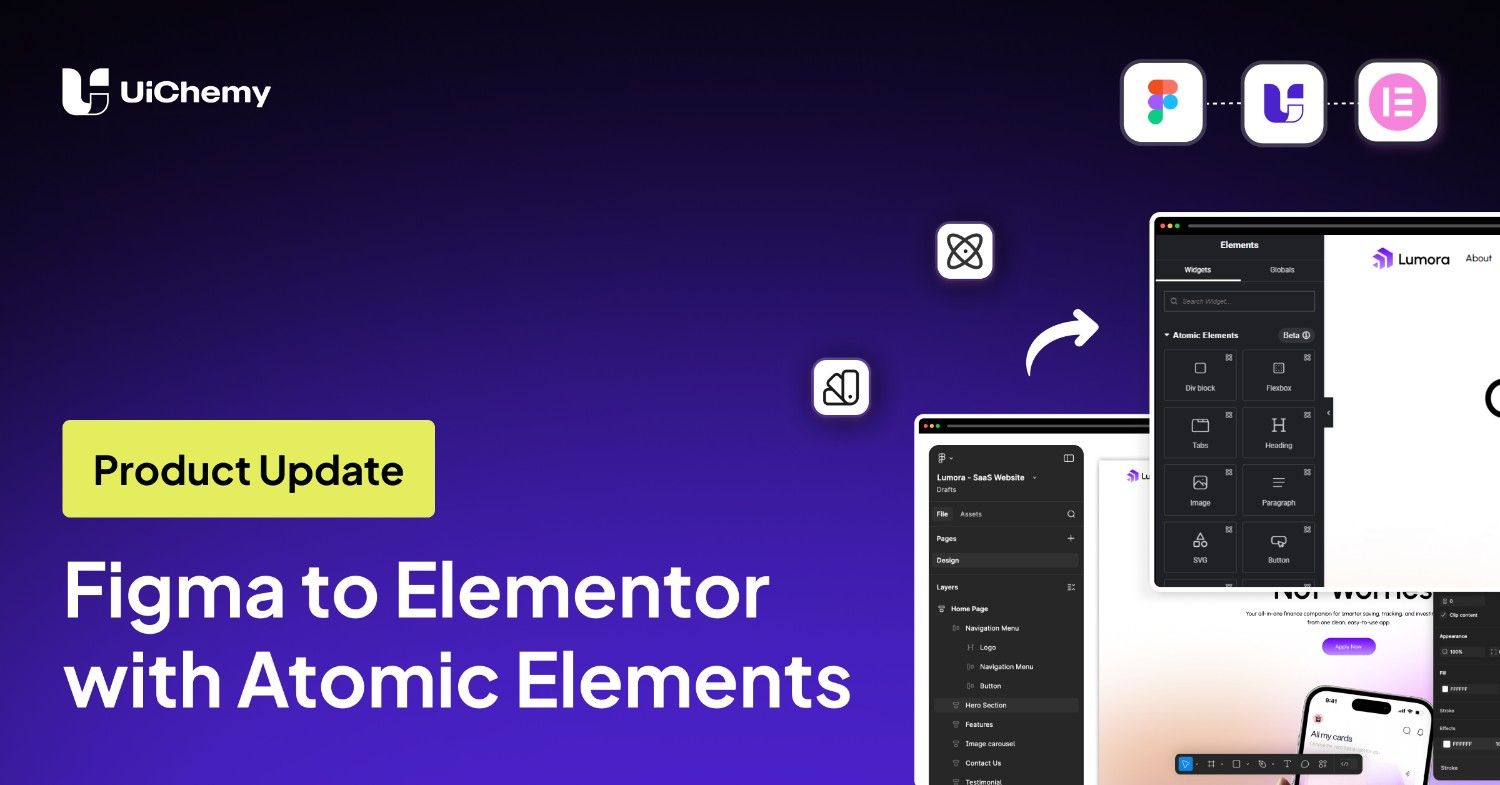
Elementor’s Atomic / v4 architecture is coming, and we’re getting UiChemy ready for it. Our workflows are being prepared to stay compatible, so your exports remain clean, stable, and future-proof.
🔥— Feature Spotlight
Image Compression
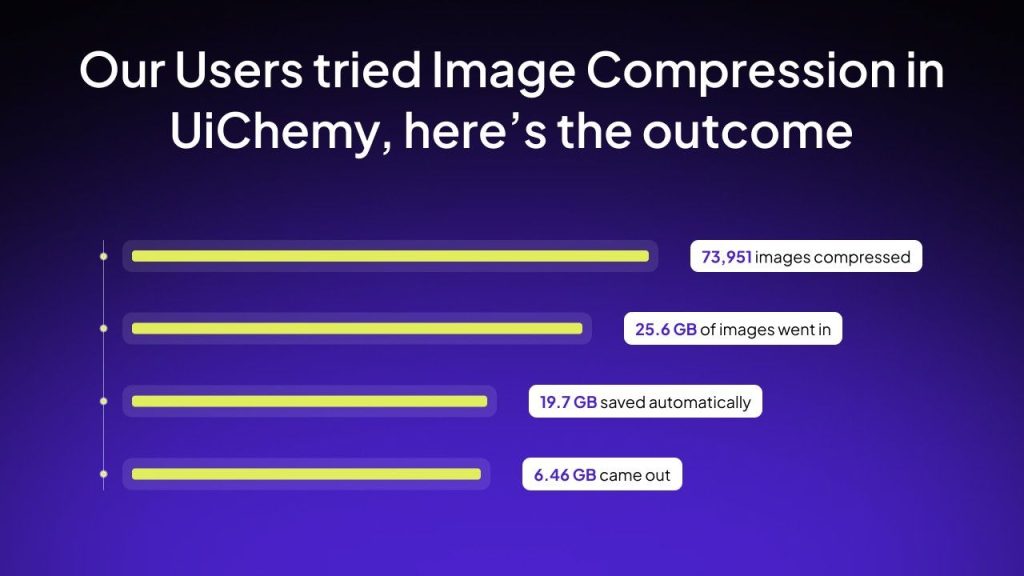
UiChemy compresses images into modern formats like PNG, JPEG, AVIF, and WEBP, with adjustable quality settings, so your files stay light, uploads stay smooth, and WordPress stays fast.
No extra steps. No separate tools. No extra cost.
Just lighter images during export.
🎥 — New Video
Two easy ways to turn your ideas into websites, fast and without coding.

📰 — Figma & Tech Bytes
- Turn ChatGPT conversations into Figma Slides and Buzz assets: ChatGPT users can now generate presentations, social posts, ads, posters, and more directly in Figma Slides and Figma Buzz. The Figma app is available on all ChatGPT plans, with EU support coming soon.
- Figma rolled out several updates, including the option to disable templates in Buzz, Figma for Government with enterprise-level capabilities in a compliant environment, new image editing tools in Design and Draw, metadata improvements for Make and Sites, and visibility into AI credit usage and more.….Read about all the updates here.
- Elementor 3.34 Developer Update focuses on advancing Editor V4 with atomic design principles, introducing Nested Tabs, Entrance Interactions, and core system improvements for better styling consistency, layout control, accessibility, and performance. Editor V4 features remain experimental as it’s still in Alpha.
- Google has begun rolling out a new feature that allows users to change their Gmail address while keeping their existing data and services. The update appears first on Google’s Hindi support pages, indicating an initial rollout in India or Hindi-speaking regions.
- Google has released its Year in Search 2025 report, highlighting the actors, movies, athletes, games, recipes, and travel destinations that drew the most interest throughout the year.
- WordPress has opened a feedback call for the 6.9 release. The community is invited to share thoughts on the release cycle, process, and team via a short form (open until January 15, 2026). All feedback will be anonymized and used to improve future WordPress releases.
- Gutenberg 22.3 introduces a new Fonts page for easier typography management, improved image editing with persistent crop and zoom, and a responsive Grid block for creating layouts across devices, along with several bug fixes and enhancements.
- Google has filed a DMCA lawsuit against SerpApi, alleging the company bypassed protections designed to prevent automated scraping of Google Search results and licensed content.
- WordPress 6.9 “Gene” has been released as the second major update of the year, introducing new features such as Notes, the Abilities API, an option to hide blocks, and several other improvements.
- AI as a WordPress Fundamental: Jason Adams outlines a vision where AI becomes a core part of WordPress, similar to the database itself. With AI integrated into hosting plans and supported by tools like the WP AI Client and Abilities API, developers can easily build features such as auto-generated alt text, images, and intelligent workflows.
- What’s new in Gutenberg 22.2: This update introduces video embeds for the Cover block, improves the Breadcrumbs block, and adds new styling options for the Math block, along with several other enhancements and bug fixes.
- WordPress to return to three major releases in 2026: Core committers shared plans to move back to three major WordPress releases in 2026, with the first expected around March or April. The roadmap includes features deferred from 6.9, such as template activation, the Tabs block, and client-side abilities for the Abilities API.
- WordPress AI Team announces first public release of AI Experiments plugin: The WordPress AI Team has launched version 0.1.0 of the AI Experiments plugin, marking the first public step in testing AI-powered features before they are considered for WordPress core. This plugin is part of the AI Building Blocks for WordPress initiative introduced earlier this year.
💡— Figma Tips, Tricks & Tools
Tool of the Month
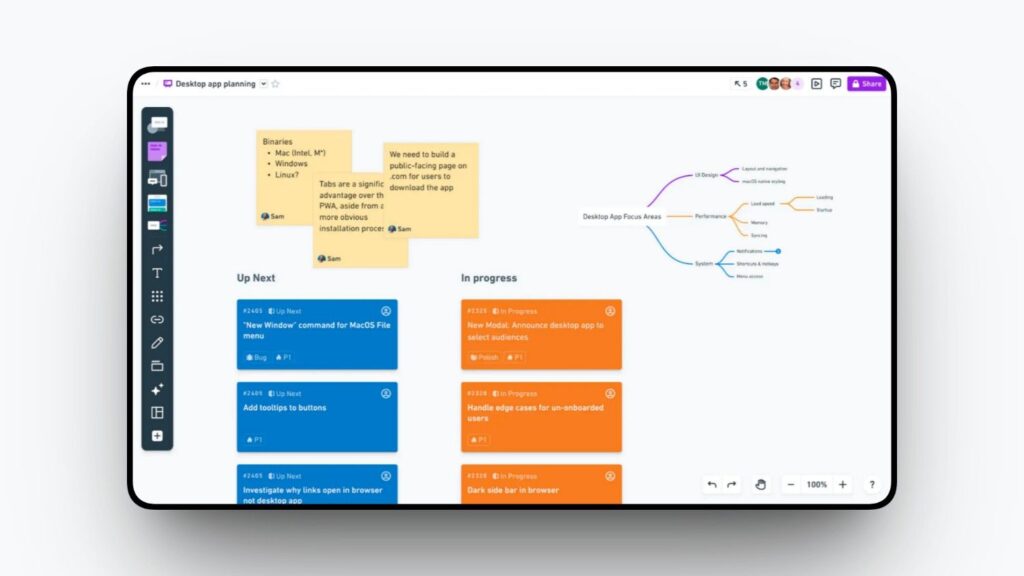
If you love planning before designing, this one’s for you. Create clean wireframes, mind maps, and flows in minutes, a great way to organize your ideas before moving to Figma.
Tip of the Month
Use Figma Components for Repeatable Patterns
Want to save time and avoid unnecessary tweaks? Turn repeating elements into components. It keeps your UI clean, helps you make global updates in one click, and makes your whole file easier to manage, especially as your design grows.
🗣️— From the Community
Amazing plugin for designers
Uichemy is amazing for figma designers
Subscribe our Newsletter, get Monthly & Weekly Product updates, News and more….✉️