
List of Blocks Which Are Compatible With Figma to Gutenberg Conversion in UiChemy

Key Takeaways

  • UiChemy supports various Gutenberg blocks for Figma to Gutenberg conversion.
  • The Plus Blocks in UiChemy include Heading, Button, Video, and Testimonials.
  • Users can manually tag elements with supported blocks before exporting to WordPress.

Table of Contents

To turn your Figma design into a Gutenberg template with UiChemy, you can use different Gutenberg blocks it supports. You can manually tag your elements with these blocks. When you export your design to WordPress, those elements will use the specific Gutenberg blocks you tagged.

To check the list of supported blocks in UiChemy –

  1. Go to Resources > Plugins and search for UiChemy and click on UiChemy – Convert Figma to Gutenberg Block Editor plugin. It will open the UiChemy – Convert Figma to Gutenberg Block Editor plugin interface and log in to your account.
  2. Then select the top level frame of your layout and select a Gutenberg plugin from the Select Plugin section.
  3. After that, select the Optimize & Convert option and click the Optimize & Convert button.
  4. Then, click on the Block Tags tab in the UiChemy panel. Here you’ll find all the supported blocks of the selected Gutenberg plugin.
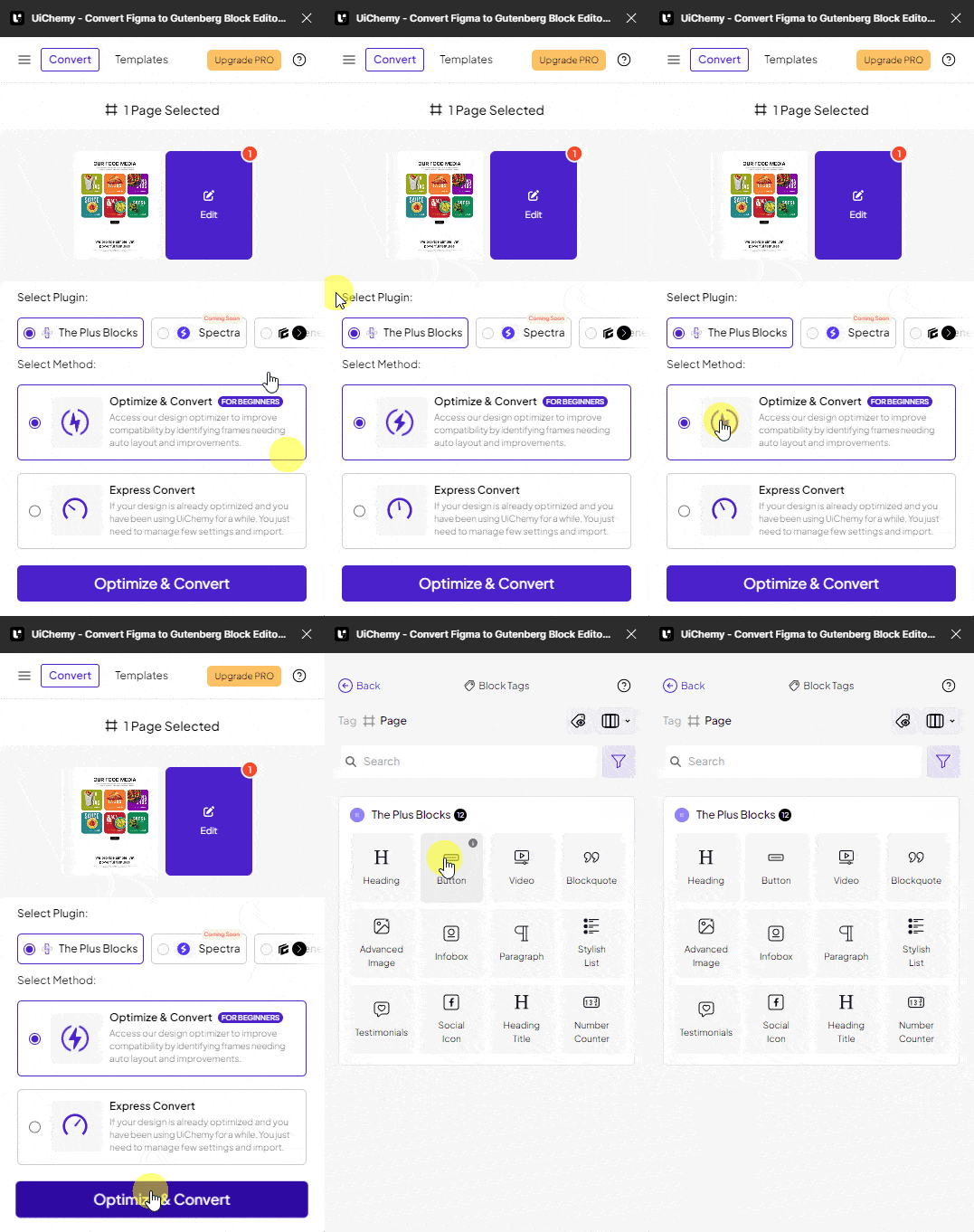
uichemy supported blocks the plus blocks

Note: We’ll continue to add more blocks to the list.

List of supported blocks of The Plus Blocks in UiChemy

  • Heading
  • Button
  • Video
  • Blockquote
  • Advanced Image
  • Infobox
  • Paragraph
  • Stylish List
  • Testimonials
  • Social Icon
  • Heading Title
  • Number Counter

Related Frequently Asked Questions


What are the supported blocks for Figma to Gutenberg conversion in UiChemy?

UiChemy supports several blocks for Figma to Gutenberg conversion, including Heading, Button, Video, Blockquote, Advanced Image, Infobox, Paragraph, Stylish List, Testimonials, Social Icon, Heading Title, and Number Counter. Knowing these blocks helps you tag your Figma elements correctly for a smoother export process.

How do I tag elements in Figma for Gutenberg blocks using UiChemy?

To tag elements in Figma for Gutenberg blocks, select the top-level frame of your layout, then choose a Gutenberg plugin from the Select Plugin section in the UiChemy interface. This ensures that your exported design utilizes the specific blocks you've tagged, making it essential for accurate conversion.

Are there any limitations to the blocks supported by UiChemy?

While UiChemy provides a range of supported blocks, it is important to note that the list is not exhaustive and will continue to grow. This means that some blocks you may want to use might not be available yet, so keep an eye on updates from UiChemy for new additions.

Can I use UiChemy to convert Figma designs that include unsupported blocks?

If your Figma design includes unsupported blocks, those elements may not convert properly to Gutenberg. It's crucial to stick to the supported blocks listed in UiChemy to ensure a successful and accurate conversion to WordPress.

What is the best practice for optimizing my Figma design for Gutenberg conversion?

The best practice for optimizing your Figma design for Gutenberg conversion is to familiarize yourself with the supported blocks and tag your elements accordingly. This ensures that when you export your design, it aligns perfectly with the Gutenberg blocks, resulting in a more seamless integration into WordPress.

Why might my Figma design not export correctly to Gutenberg using UiChemy?

Common issues with exporting Figma designs to Gutenberg using UiChemy often stem from using unsupported blocks or improperly tagging elements. Always verify that your design adheres to the supported blocks list and that you've tagged elements correctly to avoid export errors.

Last reviewed: April 13, 2026